
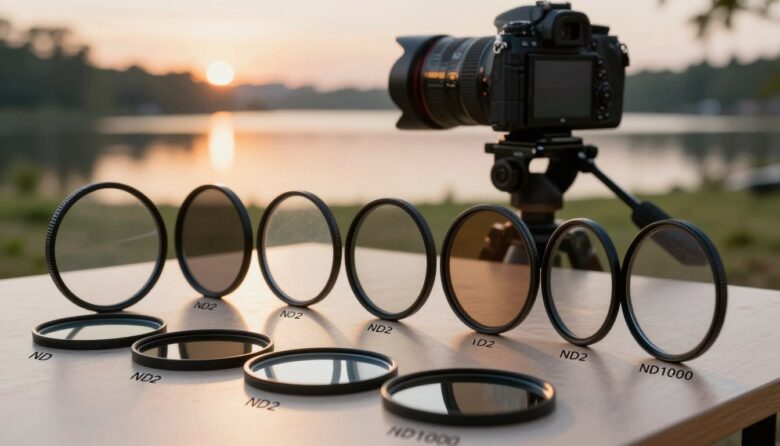
ND filter names can look confusing because manufacturers may describe the same strength using stops, a filter factor, or optical density. An ND8 filter, for example, is normally a three-stop filter—not an eight-stop filter. Once the three naming systems are separated, the numbers become much easier to understand. This guide explains the progression from ND2 …
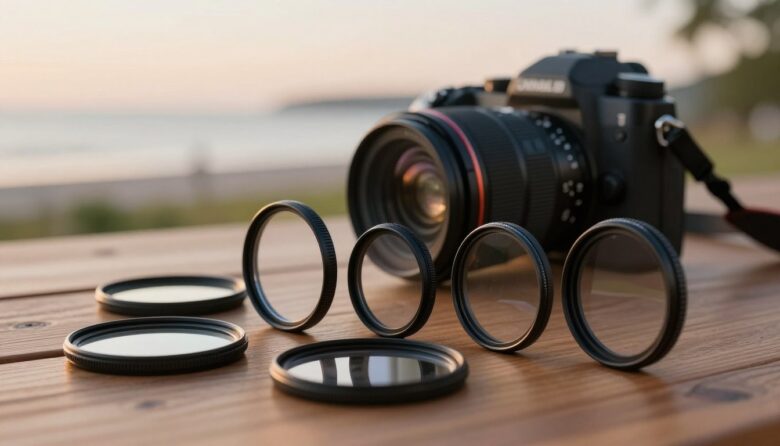
An affordable ND filter can be a useful exposure tool, but a low price does not automatically make a filter good value. The real cost includes any loss of sharpness, difficult color correction, flare, uneven density, mechanical vignetting, or replacement purchases caused by choosing the wrong size or strength. The best budget option is therefore …
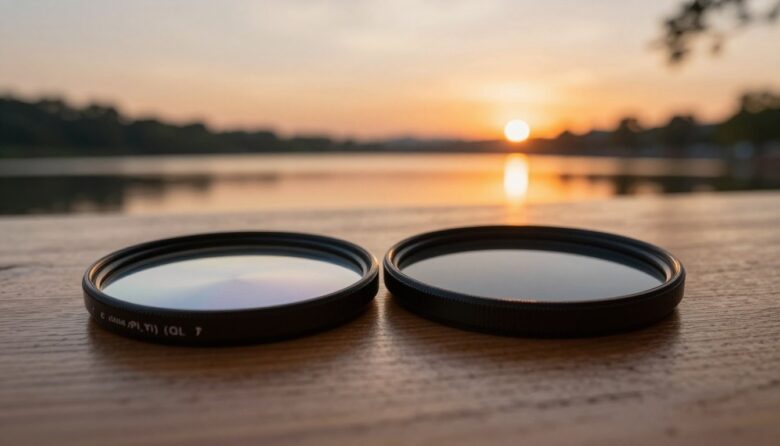
Circular polarizing and neutral density filters can both improve landscape photographs, but they solve different problems. A circular polarizer controls selected reflections and glare. An ND filter reduces the overall amount of light entering the lens so the photographer can use a longer shutter speed or wider aperture. Confusing the two can lead to disappointing …
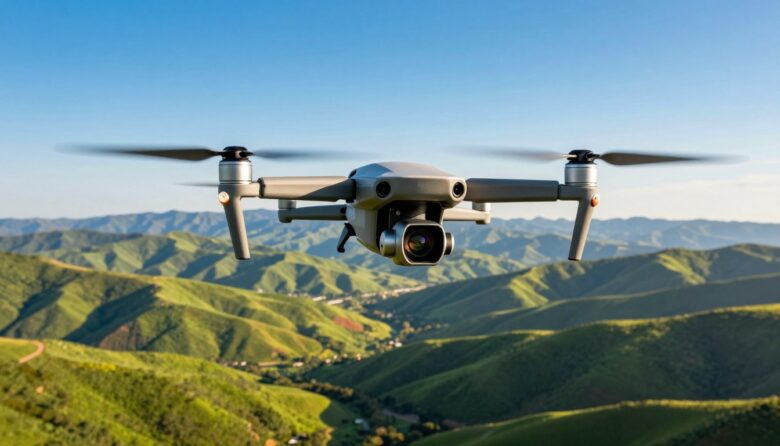
ND filters help DJI drone operators maintain a deliberate shutter speed when daylight is too bright for the selected frame rate, ISO, aperture, and recording profile. This can create more natural motion blur in moving ground detail, vehicles, waves, and subjects while preventing exposure from being controlled only by an extremely fast shutter. The filter …

The 180-degree shutter rule is a practical starting point for controlling motion blur in video. It links exposure time to frame rate so moving subjects retain a familiar balance between definition and blur. Bright conditions can make that exposure time difficult to maintain. An ND filter reduces incoming light so the camera can preserve the …