

A neutral density filter gives video creators a practical way to control exposure without sacrificing the shutter speed, aperture, or ISO selected for a particular look. The right filter can help preserve natural motion blur, maintain a shallow depth of field, and prevent clipped highlights when filming outdoors. The best choice depends less on whether …

Dark corners can appear when an ND filter, adapter ring, or filter holder blocks part of the lens’s field of view. The problem is especially common with wide-angle lenses, stacked filters, thick mounting rings, and filter systems that are too small for the lens. Mild corner shading may come from the lens itself and can …

Dust, fingerprints, dried water droplets, and oily residue can reduce contrast or create visible flare when strong light strikes an ND filter. Cleaning the glass correctly helps preserve its optical coating while avoiding the streaks that often appear after using too much liquid or a dirty cloth. The safest routine is simple: inspect the filter …
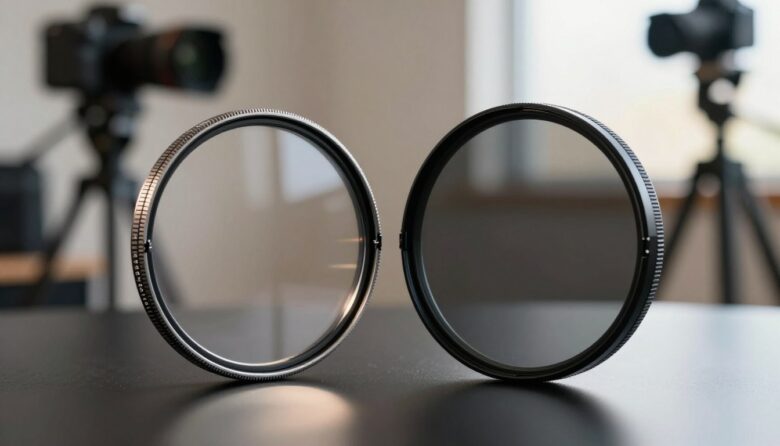
Variable and fixed ND filters solve the same basic problem: they reduce the amount of light reaching the camera so you can keep the shutter speed, aperture, and ISO settings needed for a particular creative result. The difference is in how that light reduction is controlled. A fixed ND provides one specific density, while a …

Step-up rings let photographers and filmmakers use one larger ND filter on several lenses with smaller filter threads. Instead of buying the same 3-stop, 6-stop, or variable ND filter in every lens size, you can build one shared filter system and add a small adapter for each lens. This approach can reduce cost, save space, …

A stuck lens filter is usually a gripping and alignment problem, not a problem that should be solved with maximum force. Thin filter frames can flex when squeezed unevenly, making the threads bind even more tightly. The safest approach is to begin with clean hands and gentle, evenly distributed pressure. Increase grip gradually, use a …
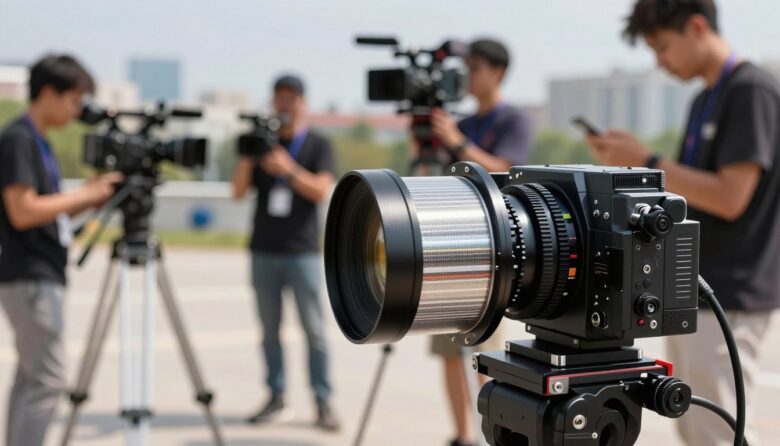
Magnetic ND filters are designed to reduce the time spent threading and unthreading filters during a shoot. A base or adapter ring remains attached to the lens, allowing compatible filters to be mounted, removed, or exchanged with a magnetic connection. This can be especially useful when filming events, documentaries, outdoor interviews, travel sequences, or other …

An ND filter is intended to reduce light without noticeably changing the colors in a photograph or video. In practice, every optical filter has its own transmission characteristics, and some filters can introduce a warm, cool, green, or magenta tint. A mild and uniform shift is often easy to correct. A cast that changes as …
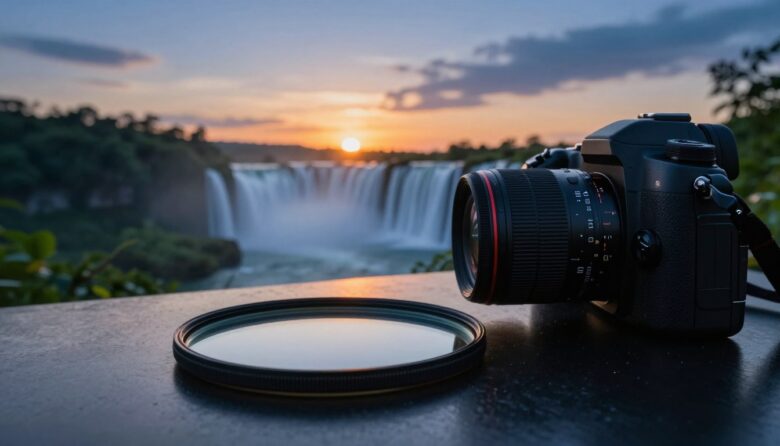
A 10-stop neutral density filter makes it possible to use dramatically longer shutter speeds in daylight. Moving water can become smooth, clouds can form directional streaks, passing people may fade from a city scene, and moving traffic can turn into soft visual traces. The filter does not create a professional image by itself. Strong long-exposure …

A bright outdoor scene can make it difficult to use the wide aperture needed for a softly blurred background. An ND filter solves this exposure problem by reducing the light entering the lens while allowing the photographer to keep the aperture, ISO, and flash-sync settings required for the intended look. The filter does not create …