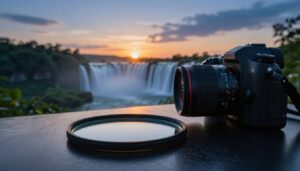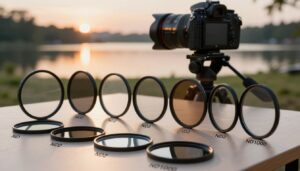

I remember when I first started photography. I struggled to balance my flash and the harsh ambient light while keeping a shallow depth of field. Over the years I refined a workflow that let me isolate my subject against a soft, pleasing blur.
Using a quality filter on my camera lens was a key step. It controlled exposure so I could open the aperture wide even under strong sun. That made a dreamy look possible while my strobe added the right pop to skin tones.
I will explain how I use neutral density filters to capture images that once felt impossible. You’ll learn how shutter, flash, and filters interact to separate subject from background and retain sharpness where it matters.
Key Takeaways
- Neutral density filters help reduce light so you can use wide apertures outdoors.
- Balancing flash and shutter speed isolates your subject from the background.
- Quality filters improve color and clarity during bright shoots.
- Practice the timing between flash and exposure for consistent results.
- Small technique changes yield a professional look even under strong light.
The Challenge of Achieving Bokeh in Daylight with ND Filters
Bright sun and fast shutter limits often block the shallow-aperture look I chase. Early on I learned that the gear I used—especially lights and my lens—shaped what was possible.
The Limitations of Shutter Speed
I bought a Godox 3-light kit about two years ago for 250 pounds. The set was great for portraits, but those lights were often too strong for a wide aperture.
Most cameras cap flash sync at roughly 1/200 or 1/250 second. That shutter speed limit prevents you from using fast settings to freeze ambient and keep a shallow depth field.
“The mechanical shutter simply can’t sync at the high speeds needed for a creamy background while keeping the subject correctly exposed.”
Why Wide Apertures Overexpose in Sunlight
When I open aperture wide, the sensor gathers more light and photos blow out quickly under strong light. Narrowing the aperture fixes exposure but ruins the soft background effect.
Relying on post to fix overexposed shots wastes time and rarely matches the quality of getting exposure right on the camera. Understanding your shutter, sensor, and lighting interaction is the first step toward better portraits.
- I often had to stop down because studio lights overpowered the scene.
- Knowing your shutter speed limits helps plan the right technique.
- Balancing flash power and ambient speed is essential to keep the subject sharp and the background soft.
Understanding Neutral Density Filters for Bright Light Photography
When the sun is harsh, the right neutral density filter becomes the bridge between my camera and creative settings.
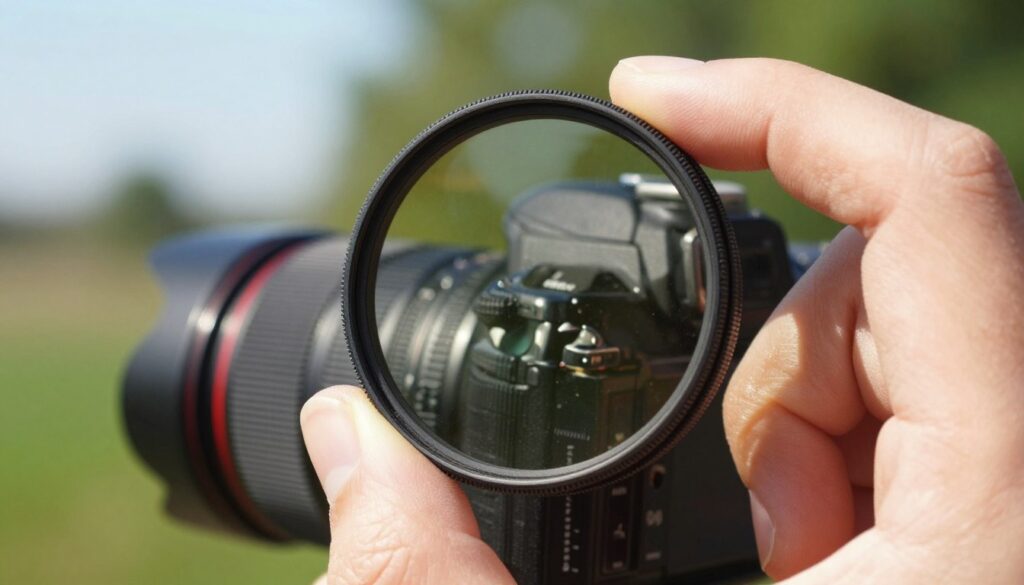
A neutral density filter reduces the amount of light reaching the sensor by several stops. That lets me keep the aperture wide and retain a shallow depth field even at midday.
I use the Kolari Pro 5-stop neutral density glass for most bright shoots. Over the years I found cheap filters often add color shifts that harm final quality.
Using a good filter means I don’t fight exposure in post as much. It gives me time and creative freedom to set aperture, shutter, and flash power for the subject.
“The filter acts as a bridge between my lens and the bright sun, giving me control over exposure and depth.”
- I prefer a mechanical shutter for a more organic look when pairing filters and studio lights.
- For video or stills, the amount of light reduction in stops matters for usable settings.
Balancing Ambient Exposure with Strobe Lighting
Balancing bright ambient exposure and strobes taught me a lot about timing and control.
I set the background exposure first, so the scene reads correctly on my camera before I add flash. That gives me a predict-able base to shape highlights and shadow.
Managing Flash Sync and High Speed Sync
I use a Sony A7II paired to a Zeiss ZE 50mm Planar T* lens for much of my portrait work. For power, a Norman P2000D strobe pack lets me overcome harsh sun and hold a shallow depth field.
When the shutter limits me, a Bronica SQ-A and its leaf shutter let me sync at high shutter speeds. That beats the focal plane cap and keeps subject motion crisp.
“Setting background exposure before firing flash makes blending lighting much easier.”
- I check shutter speed and ambient exposure, then dial flash power.
- High-speed sync lets me shoot at 1/1000s when needed to freeze motion.
- Using a filter plus a powerful strobe controls the amount of light hitting the sensor.
| Setup | Advantage | Typical Use |
|---|---|---|
| Sony A7II + Zeiss 50mm | Fast autofocus, crisp images | Digital portraits in bright scenes |
| Bronica SQ-A + 80mm | Leaf shutter sync at high speeds | Film portraits requiring high shutter |
| Norman P2000D | High power to overpower sun | Midday outdoor studio look |
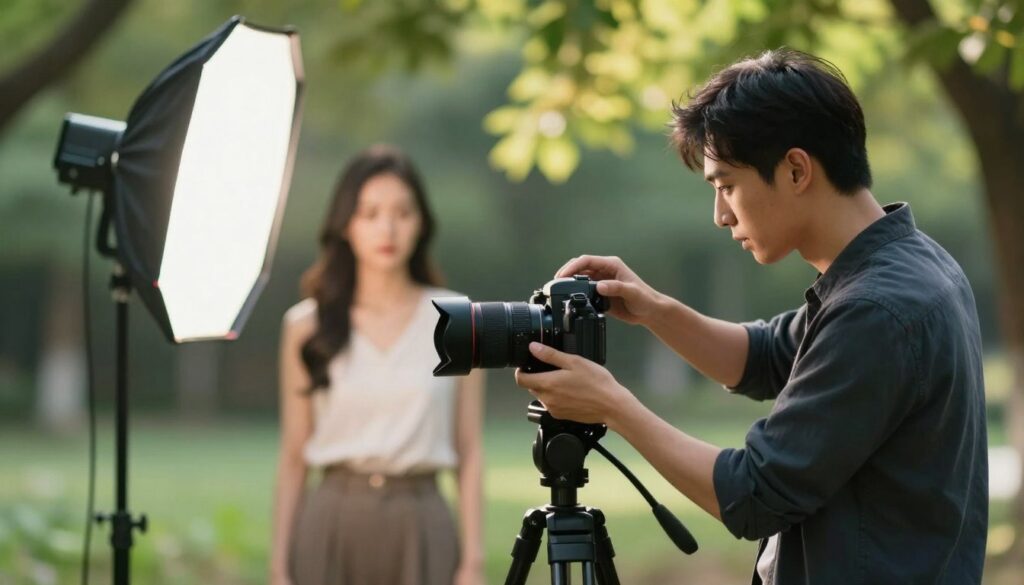
Conclusion and Final Thoughts on Creative Daylight Portraits
Mastering light control outdoors changed how I plan every portrait shoot. Using a quality filter and the right lens lets me keep aperture wide and shape the subject against a soft background.
Balance is the answer. I set camera exposure, check shutter speed, then dial flash power to taste. That routine makes settings repeatable and keeps final quality high.
Take time to practice these techniques. Test different stops, tweak flash power, and refine your lights setup. Over time, the skill will free you to push your photography and share better results.
FAQ
How do I get a blurry background in bright sunlight using neutral density filters?
I use a strong neutral density filter to cut light so I can open the aperture wide without overexposing. I set a low f-number for shallow depth of field, slow the shutter to match exposure needs, and position my subject away from the background. I prefer quality glass filters from Tiffen or Hoya and I check my histogram to confirm proper exposure.
What limits do shutter speed and aperture impose when shooting shallow depth of field outdoors?
Fast shutter speeds can prevent motion blur but force me to use wider apertures or higher ISO, which affects depth and noise. In bright sun, very wide apertures overexpose unless I reduce light with a neutral density filter or lower ISO. I balance these controls to keep the subject sharp while softening the background.
Why do wide apertures overexpose in strong sunlight and how can I avoid it?
Wide apertures let in a lot of light, so in direct sun the image overloads sensor limits. To avoid this, I add stops of ND filtration, use a faster shutter if motion allows, or shoot during golden hour. I also consider flash or strobe to control fill and retain a correct ambient exposure.
How many stops of neutral density do I need for portrait work at f/1.8 in bright sun?
It depends on the shutter speed you need and your ISO. Typically I use 6–10 stops when I want 1/200–1/800 sec at f/1.8 and ISO 100. I test a few exposures, then adjust the ND density until the histogram centers without clipping highlights.
Can I combine ND filters and flash to balance ambient and strobe lighting?
Yes. I reduce ambient with an ND so I can control background blur and then add strobes or a speedlight to light the subject. That lets me use creative power settings and freeze motion while keeping a pleasing shallow depth of field.
What are practical tips for managing flash sync and high-speed sync outdoors?
I first check my camera’s sync limit—often 1/200–1/250 sec. If I need faster shutter, I enable high-speed sync (HSS) on compatible flashes. HSS reduces effective power, so I use stronger battery packs or move lights closer. For best results I also use ND filters to lower ambient and keep flash power efficient.
Which lenses and camera bodies work best for achieving a shallow background in bright conditions?
Fast prime lenses like 50mm f/1.4, 85mm f/1.8, or 135mm f/2 deliver strong subject isolation. Full-frame sensors from Canon EOS R, Nikon Z series, or Sony Alpha give shallower depth of field compared to smaller sensors. I choose high-quality optics and a camera with good dynamic range to retain highlight detail.
How do I avoid vignetting or color cast when stacking ND filters?
I use slim-profile filters for wide-angle lenses and prefer single high-strength NDs over stacking multiples when possible. If I must stack, I test at the intended aperture and focal length. I also shoot RAW so I can correct minor color casts and vignetting in post with Lightroom or Capture One.
What exposure workflow do you recommend when shooting shallow depth of field in bright light?
I set ISO to the base (usually 100), choose the aperture for the depth I want, then dial ND stops until the meter recommends a shutter speed that avoids motion blur. I take a test shot, check the histogram and highlight alert, then add flash or modifiers as needed to shape subject light.
Can I achieve a cinematic shallow-focus look for video in strong daylight?
Yes. I use variable NDs or matte boxes with solid NDs to maintain consistent exposure while keeping aperture wide for shallow depth. I also watch shutter speed, aiming for the 180-degree rule where possible, and use lights or reflectors to control subject separation and maintain quality on the sensor.