I’ve spent years testing optics to help you choose gear that lifts your work. Marc Newton of The School of Photography reminds us that the right kit changes how a camera handles light and motion. I wrote this guide so beginners and hobbyists can find reliable items that match their creative workflow and budget.
I focus on practical details: how a filter affects exposure, color cast, sharpness, and vignetting. You’ll read about fixed glass pieces and variable filters, coating and design, and when to use a density filter to gain control over shutter and stops.
Use my picks to balance price and performance so your images look more cinematic. With the right lens accessory, you get consistent image quality in bright skies or wet scenes with moving water.
Key Takeaways
- Choosing proper equipment improves exposure control and image quality.
- Quality glass and coatings reduce color cast and preserve sharpness.
- Variable options add flexibility; fixed density gives predictable stops.
- I balance price and performance so beginners can start strong.
- Understanding light and lens interaction is crucial for cinematic shots.
Understanding Neutral Density Filters for Video
Let me explain why a simple piece of glass can transform exposure and motion in your footage.
What is neutral density?
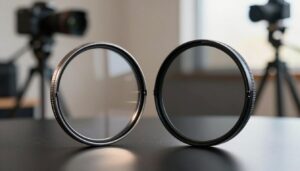
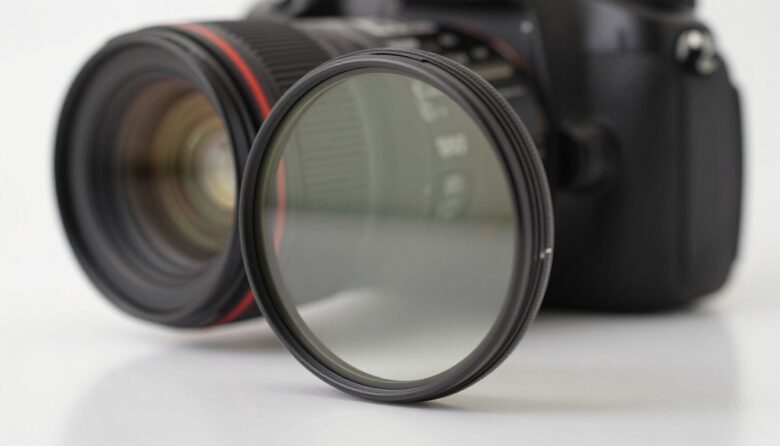
A neutral density filter acts like sunglasses for your lens. It reduces the amount light that reaches the camera sensor without shifting color balance. Professionals call this density glass a neutral density filter because it keeps color and contrast stable while lowering brightness.
How light reduction works
When you add a density filter, you stop less light from entering the lens. That forces you to use a slower shutter or a wider aperture to keep correct exposure. The result is natural motion blur and smoother images when shooting skies, water, or moving subjects.
I recommend beginners learn how using filters affects shutter, stops, and image quality before investing in a full system.
| Concept | Effect | When to Use |
|---|---|---|
| Neutral density | Reduces light, preserves color | Bright outdoor scenes, long exposures |
| Stops (strength) | Controls shutter and aperture | Maintain cinematic motion blur |
| Variable vs fixed | Flexibility vs predictability | Travel sets vs controlled shoots |
| Coating & glass | Sharper images, less cast | High-contrast skies and water shots |
Why You Need the Best ND Filters for Video
A simple glass accessory can turn harsh midday light into a creative tool for cinematic shots.
Controlling the amount of light keeps your shutter and stops where you want them. A 10-stop neutral density filter lets you stretch exposure time so moving water turns glass-smooth in images.
At slower shutter speeds, like 1/30th of a second, proper light management prevents overexposure and jittery motion on the camera. Good glass and coating protect color and sharpness while reducing unwanted vignetting and cast.
Practical gains I see:
- Maintain shallow depth of field for cinematic photography and cleaner image quality.
- Avoid very fast shutter speeds that create choppy motion, as Marc Newton warns.
- Control exposure even with the sun high in the sky.
- Keep footage consistent across lighting with a reliable system.
- Save time and budget by avoiding heavy highlight fixes in post.
Fixed Versus Variable Filter Designs
Choosing the right design shapes how predictable your exposure and image quality will be on set.
Fixed filters are single-piece glass that give steady light reduction and a uniform color response.
Pros of fixed filters
- Superior optical quality from one sheet of high-grade glass.
- Consistent amount light reduction, which helps maintain shutter and stops across takes.
- Less risk of color cast and fewer artifacts that can hurt image sharpness.
Downsides of variable options
Variable designs add flexibility, but they can introduce artifacts at strong settings.
Marc Newton warns that variable filters may create strange lines and make exposure times harder to judge.
I recommend a system of fixed pieces if you want reliable color, minimal vignetting, and repeatable results when shooting moving water or long exposures.
| Feature | Fixed | Variable |
|---|---|---|
| Optical quality | High — single glass | Good to fair — layered elements |
| Exposure predictability | Consistent stops | Variable; can be hard to judge |
| Artifacts / lines | Rare | Possible at strong density |
| Practical use | Professional systems | Quick, flexible setups |
Essential Gear for Your Filter System
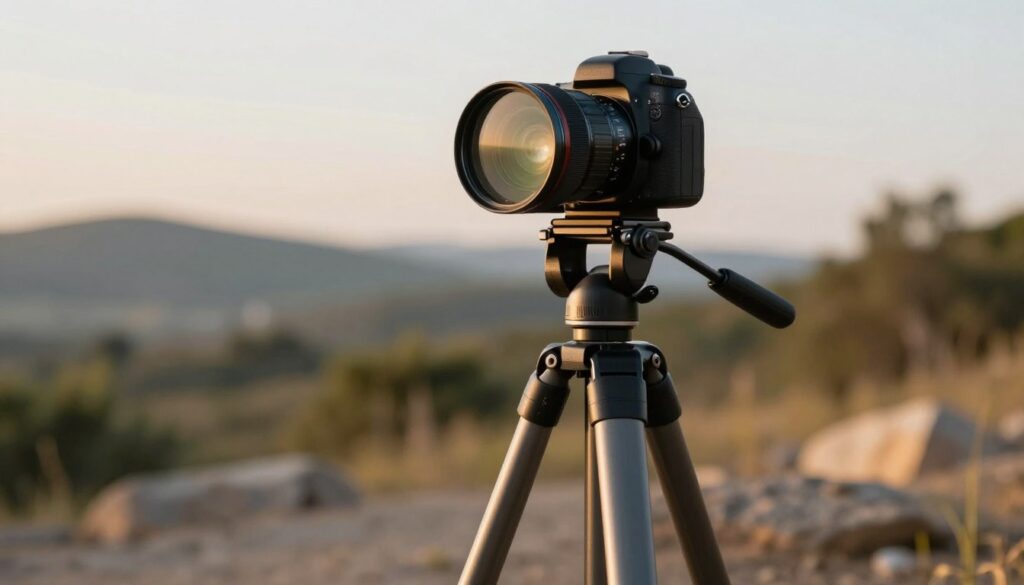
Stability makes the rest of your kit work better. A solid support setup keeps your camera steady during long exposures and lets the filter deliver its intended effect.
A sturdy tripod is non-negotiable. When you stretch shutter time to smooth water or slow motion, even small shifts ruin an image. I always carry a tripod I trust for field work.
The Importance of a Reliable Trigger
Marc Newton advises using a cable release or remote trigger when you shoot in bulb mode. I follow that rule to avoid introducing vibration when I press the shutter.
- I recommend a dependable adapter ring so the glass fits your specific lens snugly.
- Use a remote trigger to fire the camera without touching it and prevent shake.
- Check tripod head and leg locks before long exposure shots; small slips add up over time.
“Your camera must be held firmly in place to ensure that your images remain sharp during long shutter times.”
With the right tripod, adapter, and trigger, you protect image quality and color while you control the amount light passing through your filter system. Good gear makes mastering light reduction practical and repeatable.
Evaluating Optical Quality and Color Cast
Good optical design shows up as neutral color and crisp detail across the frame.
Start by inspecting the glass for tint or hue shifts. Even a small color cast can ruin skin tones and landscapes. Cheaper pieces often need heavy correction in post, and that costs time and fidelity.
I test how a filter affects sharpness by shooting fine detail across the frame. If edges soften, the lens resolves less and the image loses clarity.
Brands like HiTech, Lee, and Nisi usually avoid troublesome color shifts and keep vignetting low. I find that investing in proven glass reduces surprises on set and preserves exposure and stop control.
- Check for uniform color across the frame.
- Verify the reduction of amount light is consistent at different stops.
- Watch for vignetting on wide lenses and at close range.
I favor quality over price when the final image matters. Proper light reduction should not sacrifice color or sharpness in your photography and video work.
Choosing the Right Stop Strength for Your Shots
Choosing stops is a simple math problem that shapes the mood of your shots.
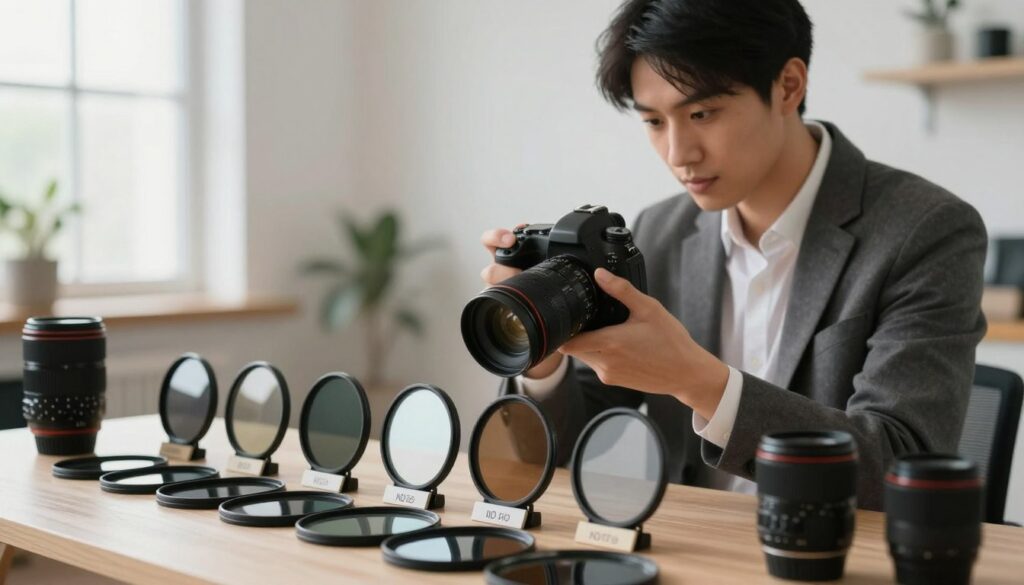
Match stop strength to the scene. A 2 stop filter is ideal when you only need a slight reduction in light to keep a shallow depth of field. It keeps exposure shifts small and color consistent on the lens and glass.
In contrast, a 10 stop filter creates dramatic long exposure effects in bright daylight. It lets you stretch shutter time so moving water turns silky and clouds smear across the sky.
Marc Newton explains each stop halves the amount of light. Use that rule to calculate exposure precisely when you change stops.
I keep a small reference chart in my kit. It lists base shutter speeds and the adjusted times when I add 2, 6, or 10 stops. That saves time and avoids guesswork on set.
- I suggest starting with a 6 stop and a 10 stop to cover a wide range of lighting conditions and price points.
- Understand stops, and you gain total control over exposure, color, and vignetting in both photography and video.
| Stop | Light Change | Common Use | Effect |
|---|---|---|---|
| 2-stop | Halves light twice | Slight reduction, portraits | Minimal color shift, low vignetting |
| 6-stop | Reduces light by 64x | Long exposures in mild daylight | Strong motion blur, requires tripod |
| 10-stop | Reduces light by 1024x | Extreme daylight long exposure | Silky water, dramatic skies |
How to Properly Mount Your Filters
A secure adapter gives you a single filter system that works across many lenses and saves money.
Using Adapter Rings
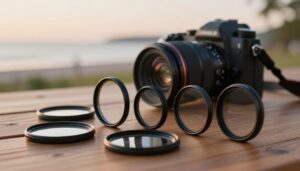
Use an adapter that matches your lens diameter. I check the thread size before buying so the glass sits flush and does not tilt. A snug fit prevents light from sneaking in at the edges.
Keep the mount tight but gentle. Over-tightening can damage the adapter or the lens threads. Under-tightening risks vignetting and odd color shifts at the frame edges.
“A secure mount is essential to prevent light leaks, which can ruin exposure and degrade image quality.”
- I use a universal holder so I can swap filters fast between lenses and save on price and space.
- Proper mounting aligns the glass to the camera and keeps the density effect consistent across stops.
- Always test for vignetting on wide lenses after you attach an adapter.
In short: a well-mounted system is the foundation of reliable photography and video work. It protects color, limits flare, and keeps your workflow smooth on set.
Managing Exposure in Manual Mode
Switching to full manual puts you in charge of every exposure choice on set. I always set shutter, aperture, and ISO by hand when I add a filter to the lens.
Automatic metering will often be fooled by added glass. Marc Newton warns that the camera’s built-in meter can misread scenes when density is introduced. Rely on your calculations, not the internal readout.
Keep aperture and ISO constant so depth and noise stay steady. Then use shutter speed to compensate for the lost light. This approach keeps each image consistent across takes.
- Set the camera to manual and lock in aperture and ISO.
- Calculate how many stops the filter cuts and adjust shutter accordingly.
- Re-check color and exposure with a small test clip before rolling full takes.
“The camera’s internal meter might be fooled by the filter, so trust your own measurements.”
Mastering manual mode is the clearest path to predictable results. It also saves time and price in post when your footage keeps the look you intended.
Common Mistakes to Avoid When Using Filters
Minor handling errors with a filter produce big headaches in post.
Don’t push a variable filter to its maximum setting. At strong stops the layered design can create cross-polarization lines and odd artifacts across the image. That effect is hard to remove later.
Use a sturdy tripod and avoid touching the camera during long exposures. Marc Newton warns that even small vibrations ruin sharpness and cannot be fixed in post. A remote release or timer helps a lot.
I often see beginners forget to remove a lens hood when they add adapter gear. That oversight causes vignetting and strange light falloff near edges.
- Always re-check exposure after you attach a filter; the meter can be misled.
- Watch for color shifts and test a short clip before rolling long takes.
- Keep adapter threads snug but never overtightened to prevent damage.
| Problem | Cause | Quick Fix |
|---|---|---|
| Cross lines / artifacts | Variable filter at max stop | Use weaker setting or fixed piece |
| Blurred frames | Camera vibration during long exposure | Use tripod + remote trigger |
| Vignetting | Lens hood or wrong adapter | Remove hood, test lens combo |
“Always test a short clip after mounting a filter; it reveals most problems fast.”
Recommended Brands for Every Budget
Picking the right brand means you get consistent exposure and fewer surprises on set.
HiTech, Lee, and Nisi are my go-to names when I need reliable glass that keeps color and sharpness intact. I trust their construction and coatings on a shoot, and they deliver repeatable results across lenses.
Cokin often appears as a budget option. Marc Newton points out it’s a solid entry route when you’re learning how a neutral density filter changes an image. It won’t always match pro glass, but it helps you learn without a large outlay.
The Fuji X100 filter kit is currently priced at $39.99. I mention it because it gives good value for a small investment and works well on a single lens camera setup. If you’re tight on cash, that kit is a practical start.
I recommend buying one high-quality piece rather than several cheap items that introduce a color cast. A single reliable filter protects your exposure choices and keeps post work minimal.
“Buy quality once and you avoid many headaches later.”
- I favor proven brands when image fidelity matters.
- Start with a sensible kit like the Fuji X100 if you’re on a budget.
- One good filter saves time, protects color, and respects your light and stop choices.
Conclusion
Taking charge of shutter, aperture, and glass unlocks new creative options, and mastering ND use is a clear next step.
I follow Marc Newton’s advice and rely on a sturdy tripod and manual exposure to keep results consistent. These habits matter as much as the quality of the glass.
Invest in a reliable system, learn how stops affect motion, and test each setup before a long take.
Do this and you gain control over light, motion, and the cinematic look you want. I hope this guide gave you the confidence to start experimenting with light reduction and to push your DSLR or mirrorless work further.
FAQ
What is a neutral density filter and why would I use one?
A neutral density filter is a piece of glass or resin that reduces the amount of light entering my lens without changing color or contrast. I use them to control exposure when I want a slower shutter speed for motion blur—like smoothing water or creating cinematic motion—or to keep a wide aperture in bright light for shallow depth of field.
How does light reduction work with a density filter?
Light reduction is measured in stops. Each stop halves the light reaching the sensor. So a 3-stop filter cuts light to one-eighth, letting me lengthen shutter time or open the aperture while keeping proper exposure. This lets me shape motion and depth without pushing ISO.
When should I choose fixed filters over variable designs?
I pick fixed glass when I need the cleanest image and consistent color. Fixed options typically give better sharpness, less vignetting, and no cross-polarization lines. I rely on variable designs when I need quick exposure changes and want to carry fewer items, but I accept some trade-offs.
What are the downsides of variable filters?
Variable models can introduce uneven dark bands, color shifts, and a loss of contrast at high density settings. They may also reduce edge sharpness and create reflections if their coatings aren’t top quality. For critical shots, I avoid high-density positions on variable systems.
How do I choose the right stop strength for a given shot?
I start with the look I want: long, silky motion needs many stops; a subtle blur needs fewer. Then I calculate stops from ambient exposure—if I want a 1/30 shutter where 1/125 is correct, I need two stops of reduction. Practicing with different strengths helps me learn common setups for skies, waterfalls, and portraits.
Does a filter affect image color or sharpness?
Quality filters can be nearly neutral, but cheaper glass may add a color cast or soften fine detail. I test new filters on my camera and correct minor casts in post if needed. Choosing brands with good multi-coatings and optical glass minimizes these issues.
How should I mount filters to avoid vignetting and light leaks?
I use the correct thread size or an adapter ring and stack only as many filters as necessary. For wide-angle lenses, I avoid thick filter holders and use low-profile rings. I also tighten mounts securely and check for light leaks or reflections before shooting.
When do I need adapter rings and how do they work?
Adapter rings let me use larger filter sizes on smaller lenses by stepping up to a common filter diameter. I keep key sizes like 67mm, 72mm, or 77mm and a few step-up rings so I can share one filter across lenses without buying duplicates.
How do I manage exposure in manual mode with a density filter on?
I meter the scene without the filter first, note the baseline shutter/aperture/ISO, then apply the filter and compensate by changing shutter speed or aperture according to the stops of reduction. I use the camera’s histogram and highlight warnings to confirm correct exposure.
What common mistakes should I avoid when using a filter?
I avoid relying solely on autofocus in low light, stacking too many elements, and using maximum density on variable pieces. I also keep filters clean, watch for reflections with off-camera lights, and don’t forget to factor filters into my exposure calculations.
Which brands deliver reliable optical quality across budgets?
I trust brands like B+W and Hoya for high-end glass, Tiffen and Heliopan for proven coatings, and affordable options from K&F Concept or Hoya’s entry lines when I’m on a budget. Each offers a range of coatings, build quality, and cases that matter to long-term use.